Here are the main types of biomolecules:
1. Carbohydrates:
- Monomers: Monosaccharides (simple sugars like glucose, fructose, and galactose)
- Polymers: Polysaccharides (complex carbohydrates like starch, glycogen, and cellulose)
- Functions: Energy storage, structural support, cell recognition
2. Lipids (Fats and Oils):
- Monomers: Fatty acids and glycerol
- Polymers: Triglycerides, phospholipids, steroids
- Functions: Energy storage, insulation, cell membrane structure, hormone signaling
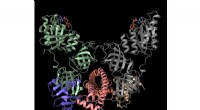
3. Proteins:
- Monomers: Amino acids
- Polymers: Polypeptides
- Functions: Enzymes, structural components, transport, defense, signaling
4. Nucleic Acids:
- Monomers: Nucleotides (composed of a sugar, phosphate group, and nitrogenous base)
- Polymers: DNA (deoxyribonucleic acid) and RNA (ribonucleic acid)
- Functions: Genetic information storage and transfer, protein synthesis
Key Characteristics of Biomolecules:
* Large size: Biomolecules are typically large molecules with complex structures.
* Organic: They contain carbon, hydrogen, and often other elements like oxygen, nitrogen, phosphorus, and sulfur.
* Specific functions: Each type of biomolecule performs specific roles in living organisms.
* Self-assembly: Many biomolecules can self-assemble into complex structures.
* Essential for life: Biomolecules are essential for the survival and function of all living things.
Examples of Biomolecules:
* Glucose: A simple sugar used as a primary energy source.
* Insulin: A protein hormone that regulates blood sugar levels.
* DNA: The molecule that carries genetic information.
* Cholesterol: A steroid lipid that is a component of cell membranes.
Understanding biomolecules is crucial in various fields, including medicine, biotechnology, and agriculture. They are involved in a wide range of biological processes, from metabolism and growth to reproduction and inheritance.