Micrococcus sedentarius is a Gram-positive bacterium that is commonly found in various environments, including:
* Soil: It thrives in this environment, playing a role in decomposition and nutrient cycling.
* Water: It can be found in both freshwater and saltwater sources.
* Air: It's present in the air and can be inhaled, though generally considered non-pathogenic.
* Human skin: It's part of the normal skin microbiota, often residing in the sebaceous glands and hair follicles.
Key characteristics of Micrococcus sedentarius:
* Aerobic: It requires oxygen to grow.
* Non-motile: It lacks flagella and cannot move independently.
* Coccus shape: It has spherical cells that often form clusters.
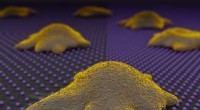
* Pigmented: It typically produces yellow or orange pigments, which can contribute to its visual identification.
* Versatile metabolism: It can utilize a wide range of substrates for growth, making it adaptable to diverse environments.
* Opportunistic pathogen: While usually harmless, it can cause infections in immunocompromised individuals, particularly in patients with underlying health conditions.
Potential implications of Micrococcus sedentarius:
* Bioremediation: Its ability to degrade pollutants, including hydrocarbons and pesticides, makes it valuable for bioremediation efforts.
* Industrial applications: It can be used in various industrial processes, such as producing enzymes or bioplastics.
* Medical research: Its role in the human microbiome and potential for opportunistic infections make it a subject of ongoing research.
Overall, Micrococcus sedentarius is a versatile bacterium that plays a significant role in various environments and has potential applications in different fields. While it is generally harmless, its ability to cause opportunistic infections necessitates careful monitoring in vulnerable individuals.