Here's a breakdown:
Components:
* Mouth: The opening of the digestive system.
* Teeth: Used for grinding, tearing, and chewing food.
* Tongue: Used for manipulating food, taste, and swallowing.
* Salivary glands: Produce saliva for lubrication and initial digestion.
* Jaws: The skeletal framework that supports the mouthparts.
* Labium and Labrum: Modified appendages that help in ingesting food.
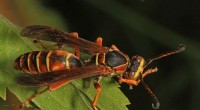
* Mandibles and Maxillae: In insects and other invertebrates, these are hardened appendages used for biting, chewing, and manipulating food.
Examples:
* Humans: We have a relatively simple buccal apparatus with teeth, tongue, and salivary glands.
* Insects: Have complex buccal apparatuses adapted for their diverse diets. For example, butterflies have a proboscis for sucking nectar, while beetles have mandibles for chewing.
* Snakes: Possess a unique buccal apparatus with flexible jaws and backward-pointing teeth for swallowing prey whole.
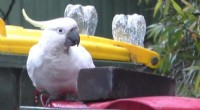
* Birds: Have a beak adapted for their specific food source, from seed-cracking to fish-catching.
Function:
The main functions of the buccal apparatus are:
* Ingestion: Taking in food.
* Mastification: Chewing and grinding food.
* Digestion: Initial breakdown of food through saliva and mechanical action.
* Taste: Detection of taste through sensory receptors.
Understanding the buccal apparatus is crucial for studying the feeding habits, evolution, and adaptation of various organisms. It highlights the remarkable diversity of life and the intricate relationship between form and function.