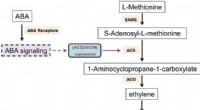
* A series of interconnected reactions: Photosynthesis is not a single reaction but a complex chain of reactions. These reactions are carefully organized, with each step building upon the previous one, and the products of one reaction serving as the reactants for the next. This interconnectedness is a hallmark of biochemical pathways.
* Enzymes as catalysts: Each reaction within the photosynthetic pathway is catalyzed by specific enzymes. These enzymes are biological catalysts that speed up the rate of reactions without being consumed themselves. This precise enzymatic control is essential for efficient and regulated energy conversion.
* Specific molecules involved: The photosynthetic pathway involves specific molecules, like chlorophyll, water, carbon dioxide, and ATP, that are transformed and rearranged during the process. These molecules are precisely chosen for their chemical properties and their ability to participate in the various reactions.
* Energy transformations: Photosynthesis is primarily about energy transformation. Light energy is captured and converted into chemical energy stored in the bonds of glucose. This conversion involves a series of steps where energy is transferred and transformed in specific ways.
* Metabolic regulation: The photosynthetic pathway is carefully regulated by the cell to ensure its efficiency and responsiveness to environmental changes. Factors like light intensity, temperature, and availability of water can influence the rate and direction of the pathway.
In essence, photosynthesis is a biochemical pathway because it involves a series of interconnected and regulated chemical reactions catalyzed by specific enzymes, with energy transformations occurring at each step.