Primary Products:
* Glucose (C6H12O6): This is the primary product of photosynthesis. It's a simple sugar that serves as the main energy source for the photosynthetic organism and forms the basis for the production of other organic molecules.
* Oxygen (O2): As a byproduct of photosynthesis, oxygen is released into the atmosphere. This is crucial for the survival of most life on Earth.
* Water (H2O): Water is used in the light-dependent reactions of photosynthesis, but it's also produced as a byproduct.
Secondary Products:
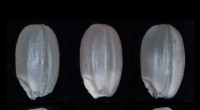
* Starches: Glucose can be converted into starch for storage. This is particularly important for plants.
* Cellulose: Another complex carbohydrate, cellulose is the primary structural component of plant cell walls.
* Lipids (Fats and Oils): These energy-rich molecules are produced in some photosynthetic organisms.
* Proteins: Photosynthetic organisms can synthesize proteins for various functions, including enzymes and structural components.
* Pigments: Chlorophyll (green), carotenoids (yellow/orange), and other pigments are important for absorbing light energy during photosynthesis.
Other Products:
* Vitamins: Some photosynthetic organisms produce essential vitamins.
* Antioxidants: Certain compounds produced by these organisms have antioxidant properties, which can protect them from damage caused by reactive oxygen species.
It's important to note that the specific products produced by a photosynthetic organism can vary depending on the species and environmental conditions.