Here's how it works:
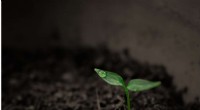
* Sunlight: Plants capture energy from sunlight using a green pigment called chlorophyll.
* Carbon Dioxide: Plants take in carbon dioxide from the air.
* Water: Plants absorb water from the soil through their roots.
* Photosynthesis: Using sunlight, chlorophyll, carbon dioxide, and water, plants produce glucose (sugar) and oxygen. The glucose is their food source, and they release oxygen as a byproduct.
So, plants don't need to eat other organisms to survive. They are the foundation of the food chain, providing food for herbivores and ultimately for all other organisms.
However, there are a few exceptions:
* Parasitic plants: Some plants, like mistletoe, get their food by parasitizing other plants.
* Carnivorous plants: Some plants, like Venus flytraps, catch and digest insects to supplement their diet.
But these are relatively rare examples, and the vast majority of plants are able to make their own food through photosynthesis.