Key Principles:
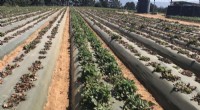
* Small-Scale: Utilizing small plots of land (think raised beds, containers) to maximize space and reduce labor.
* Soil Fertility: Building and maintaining healthy soil through composting, mulching, and avoiding soil disturbance.
* Close Planting: Planting plants close together to maximize yield and minimize weed growth.
* Double Digging: A specific technique to create deep, rich soil, allowing for strong root growth.
* Crop Rotation: Rotating different plant families each year to improve soil health and reduce pests and diseases.
* Companion Planting: Placing plants with beneficial relationships together to enhance growth and pest control.
* Water Conservation: Utilizing efficient watering methods like drip irrigation or mulching to conserve water.
* Organic Practices: Avoiding synthetic fertilizers and pesticides, relying on natural methods for pest and disease control.
Benefits:
* High Yield: Produce a significant amount of food from a small space.
* Sustainable: Promotes healthy soil, reduces environmental impact, and conserves resources.
* Accessible: Can be practiced by anyone with limited space, even in urban environments.
* Healthy Food: Produces high-quality, nutritious food free of harmful chemicals.
In essence, bio-intensive gardening is about growing a lot of food in a small space using natural methods. It's a great option for home gardeners looking for an efficient and sustainable way to grow their own food.