Internal Factors:
* Chlorophyll content: The amount of chlorophyll in a plant directly influences its ability to absorb light energy.
* Enzyme activity: Photosynthesis involves a series of enzymatic reactions. The efficiency of these enzymes is influenced by factors like temperature and pH.
* Leaf structure: The structure of a leaf, including its surface area, stomata density, and vascular system, impacts the rate of photosynthesis.
* Hormones: Plant hormones like auxins and gibberellins can regulate leaf growth and photosynthetic activity.
External Factors:
* Light intensity: Photosynthesis is directly proportional to light intensity up to a certain point, after which it plateaus.
* Light quality: Different wavelengths of light are absorbed and utilized differently by chlorophyll. Red and blue light are particularly important for photosynthesis.
* Carbon dioxide concentration: Carbon dioxide is a key reactant in photosynthesis, and increasing its concentration can boost photosynthetic rates.
* Temperature: Photosynthesis has an optimal temperature range, outside of which enzyme activity decreases.
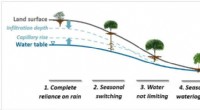
* Water availability: Water is essential for photosynthesis and for maintaining leaf turgor pressure.
* Nutrients: Plants require essential nutrients like nitrogen, phosphorus, and potassium for optimal growth and photosynthesis.
Regulation Mechanisms:
* Feedback mechanisms: Photosynthesis can be regulated by feedback mechanisms where the products of the process (like sugars) can inhibit further reactions.
* Environmental cues: Plants can respond to environmental cues like changes in light intensity, temperature, and water availability to optimize their photosynthetic activity.
In summary, photosynthesis is a highly regulated process influenced by a multitude of internal and external factors. These factors work together to ensure that plants can efficiently capture light energy and convert it into chemical energy for growth and development.