* Survival of the Fittest: While some individuals may not reproduce, others within the species are successful. It's not about ensuring every individual reproduces, but about ensuring the species as a whole survives. Those individuals best suited to their environment (the "fittest") are more likely to survive, reproduce, and pass on their advantageous traits.
* Genetic Diversity: Reproduction introduces genetic variation within a species. This diversity is crucial because it allows a species to adapt to changing environments. If everyone reproduced identically, a single environmental change could wipe out the entire species.
* Natural Selection: Natural selection is the driving force behind evolution. It favors individuals with traits that make them better at surviving and reproducing. Over time, these favorable traits become more common in the population.
* Environmental Factors: Factors like disease, predation, food scarcity, and competition for resources can all prevent some individuals from reproducing. It's a harsh reality, but it's a natural part of the evolutionary process.
* Species Longevity: Even if only a small percentage of individuals reproduce successfully, their offspring can continue the species' lineage. This is essential for the long-term survival of any species.
Think of it this way:
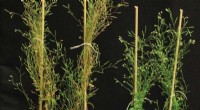
Imagine a forest with many trees. Some trees are more resistant to disease than others. If a disease hits the forest, the resistant trees will survive and produce seeds. While some trees might die without reproducing, the forest as a whole will still thrive thanks to the successful reproduction of the resistant trees.
In conclusion, reproduction isn't about guaranteeing every individual reproduces. It's about ensuring that the species as a whole is able to survive and adapt to the changing world.