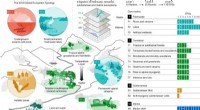
Here's a breakdown:
What makes a tissue specialized?
* Structure: Cells within a specialized tissue often have a specific shape and internal organization that allows them to perform their function effectively. For example, muscle cells are elongated for contraction, while nerve cells have long extensions for transmitting signals.
* Function: Each specialized tissue has a specific role in the body. This could be anything from transporting oxygen (blood) to providing structural support (bone).
* Cooperation: Cells within a specialized tissue work together as a coordinated unit. They communicate and cooperate to achieve a common goal.
Examples of specialized tissues:
* Muscle tissue: Responsible for movement. There are three types: skeletal, smooth, and cardiac.
* Nervous tissue: Responsible for communication and coordination within the body. It includes neurons and glial cells.
* Connective tissue: Provides support, protection, and insulation for organs and tissues. Examples include bone, cartilage, blood, and adipose tissue.
* Epithelial tissue: Forms linings for organs and cavities and acts as a barrier. Examples include skin, lining of the digestive tract, and lining of blood vessels.
Why is specialization important?
* Efficiency: Specialized tissues allow for efficient and effective performance of specific tasks.
* Complexity: Specialization is essential for the development of complex multicellular organisms.
* Adaptation: Different tissues can adapt to specific environmental conditions, allowing for survival and evolution.
In summary, specialized tissues are groups of cells that have undergone differentiation to perform a particular function. This specialization allows for efficient and coordinated function within the body, leading to the complexity and adaptability of multicellular organisms.