General Trends:
* Early Life Stages: Many organisms experience their most rapid growth during their early life stages, especially in the first few weeks or months after birth/hatching. This is called exponential growth.
* Periods of Rapid Development: Organisms also may have specific periods of rapid growth tied to developmental milestones, such as puberty in humans or metamorphosis in insects.
Specific Examples:
* Plants: Plants can exhibit rapid growth during specific seasons, like spring or summer, when conditions are favorable. They might also have a "growth spurt" right after germination.
* Animals: Mammals and birds typically have a period of rapid growth after birth, slowing down as they mature. Fish and amphibians may grow continuously throughout their lives, but their growth rate can vary depending on factors like food availability and water temperature.
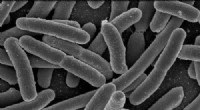
* Bacteria: Bacteria reproduce asexually, so their growth can be exponential under ideal conditions.
Factors Affecting Growth:
* Nutrition: Adequate food and water are essential for growth.
* Temperature: Each organism has an optimal temperature range for growth.
* Light: Photosynthetic organisms like plants require light for growth.
* Hormones: Hormones play a crucial role in regulating growth in many organisms.
In summary, it's impossible to say when organisms show the most growth without knowing more about the specific organism. However, early life stages, periods of rapid development, and favorable environmental conditions are often associated with the highest rates of growth.