Here's a breakdown:
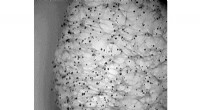
* What are they? Clue cells are vaginal epithelial cells that have been coated with Gardnerella vaginalis bacteria. This bacterium is a common inhabitant of the vagina, but in large amounts, it can disrupt the normal vaginal flora, leading to BV.
* How do they look? Under a microscope, clue cells appear larger and more irregular than normal vaginal epithelial cells. They have a fuzzy or stippled appearance due to the bacteria covering them.
* What does it mean? The presence of clue cells is a strong indication of BV. This condition is characterized by an abnormal vaginal discharge that can be thin, watery, grayish-white, and have a fishy odor. Other symptoms may include vaginal irritation, itching, or burning.
* Why are they important? Clue cells are a key diagnostic tool for BV. Observing these cells in a vaginal swab sample helps doctors confirm the diagnosis and provide appropriate treatment.
It's important to note that:
* Clue cells are not always present in BV. Some women with BV may not have clue cells in their vaginal discharge.
* Other factors, such as the presence of whitish, clumpy discharge, can also help diagnose BV.
* If you suspect you may have BV, it's important to see a doctor for a proper diagnosis and treatment.
Treatment for BV usually involves antibiotics. It's crucial to finish the full course of antibiotics as prescribed, even if symptoms improve before completing the treatment.
Remember, BV is a common condition that can usually be effectively treated. Don't hesitate to seek medical attention if you have any concerns.