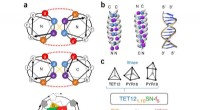
* Genetic Information: DNA contains the instructions for building and maintaining an organism. These instructions are encoded in the sequence of its four nucleotide bases (Adenine, Thymine, Guanine, and Cytosine). This sequence dictates the order of amino acids in proteins, which perform a vast array of functions in the cell.
* Heredity: DNA is passed down from parents to offspring, carrying the genetic traits that determine an organism's characteristics.
* Cellular Processes: DNA directs the synthesis of proteins, which are essential for all cellular processes, including:
* Metabolism: Breaking down nutrients and producing energy
* Growth and Repair: Producing new cells and repairing damaged ones
* Communication: Signaling between cells
* Defense: Fighting off infections
* Regulation: DNA contains regulatory sequences that control the expression of genes, determining which proteins are made and when.
In essence, DNA is the instruction manual for the cell, dictating everything from its basic structure to its complex functions.