Health & Medicine:
* Disease Diagnosis & Treatment:
* Genetic testing: Identifying disease-causing genes and predicting susceptibility to certain conditions.
* Personalized medicine: Tailoring treatments based on individual genetic profiles for better outcomes.
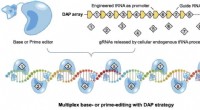
* Gene therapy: Replacing faulty genes with healthy ones to treat inherited diseases.
* Antibiotics and vaccines: Developing new drugs and vaccines to fight infections and diseases.
* Biologics: Creating biological therapies like antibodies and proteins for various diseases.
* Organ transplantation: Developing techniques to grow organs for transplantation, reducing the need for donors.
* Improved Healthcare:
* Faster and more accurate diagnostics: Using technology like PCR (polymerase chain reaction) for quick and reliable disease detection.
* Drug discovery and development: Using high-throughput screening and computational methods to identify and develop new drugs more efficiently.
* Medical imaging: Advanced imaging techniques like MRI and PET scans provide detailed insights into the human body.
* Prosthetics and implants: Creating advanced prosthetic limbs and implants that improve quality of life for people with disabilities.
Agriculture:
* Improved Crop Yields:
* Genetically Modified Organisms (GMOs): Creating crops that are resistant to pests, diseases, and harsh conditions, increasing yields and reducing pesticide use.
* Biofertilizers: Using microorganisms to improve soil fertility and reduce the need for chemical fertilizers.
* Sustainable Farming Practices:
* Biopesticides: Developing environmentally friendly alternatives to chemical pesticides.
* Biofuel production: Utilizing plants and algae to produce biofuels, reducing dependence on fossil fuels.
Environment:
* Bioremediation: Using microorganisms to clean up environmental pollution.
* Waste Management: Developing technologies to convert waste into valuable resources.
* Renewable energy: Researching and developing biofuels and other sustainable energy sources.
Other Applications:
* Food Production: Using biotechnology to enhance food quality, safety, and shelf life.
* Forensics: Using DNA analysis for criminal investigation and identification.
* Bioinformatics: Developing tools for analyzing biological data, leading to new scientific discoveries.
Ethical Considerations:
While biotechnology offers numerous benefits, it also raises ethical concerns regarding gene editing, privacy, and the potential for misuse. It's crucial to approach these issues with careful consideration and regulation to ensure that the technology is used responsibly for the benefit of society.
In conclusion, biotechnology is a transformative field with the potential to address some of the most pressing challenges facing humanity. It holds the promise of improving human health, increasing food security, and protecting the environment. However, it's important to consider the ethical implications and ensure its responsible development and application.