Here's why:
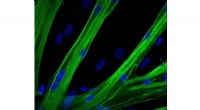
* Contains DNA: The nucleus houses the cell's genetic material, DNA, which holds the instructions for building and maintaining the cell.
* Directs Protein Synthesis: DNA provides the blueprint for making proteins, which are the workhorses of the cell. The nucleus controls the process of protein synthesis, ensuring that the correct proteins are made at the right time and in the right amounts.
* Regulates Cell Activities: The nucleus plays a crucial role in regulating cell growth, division, and differentiation.
* Controls Gene Expression: Through various mechanisms, the nucleus can turn genes "on" or "off," controlling which proteins are produced and how much of each protein is made.
While the nucleus is the central control center, other cellular components like the cytoplasm, ribosomes, and mitochondria also play essential roles in cell function. But the nucleus holds the master blueprint and directs the entire operation.