The survival and extinction of organisms are complex processes influenced by a myriad of factors, both internal and external. These factors can be categorized into two broad groups:
1. Biotic Factors (living organisms):
* Competition: Organisms compete for resources like food, water, shelter, and mates. This can be intraspecific (within the same species) or interspecific (between different species).
* Predation: Predators prey on other organisms, influencing their population size and survival.
* Parasitism: Parasites live in or on another organism, harming it and potentially affecting its survival.
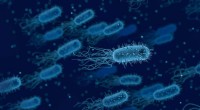
* Disease: Pathogens, such as bacteria, viruses, and fungi, can cause diseases that lead to mortality and affect population size.
* Symbiosis: Interactions between different species, like mutualism, where both benefit, or commensalism, where one benefits and the other is unaffected, can influence survival.
* Population Density: High population density can lead to increased competition and disease transmission, making survival more challenging.
2. Abiotic Factors (non-living environment):
* Climate Change: Changes in temperature, precipitation, and weather patterns can impact habitat suitability, resource availability, and the survival of organisms.
* Habitat Loss and Degradation: Loss and fragmentation of habitats due to human activities like deforestation and urbanization reduce available resources and limit population growth.
* Pollution: Air, water, and soil pollution can directly harm organisms or indirectly affect their food sources and habitat.
* Natural Disasters: Volcanic eruptions, earthquakes, floods, and droughts can drastically impact populations, leading to local extinctions.
* Extreme Weather Events: Droughts, floods, heatwaves, and cold spells can stress organisms and lead to mortality.
* Resource Availability: Availability of food, water, shelter, and other essential resources is crucial for survival.
Other Factors:
* Genetic Diversity: Low genetic diversity makes a population more susceptible to disease and environmental change.
* Reproductive Success: Factors like mate availability, successful mating, and offspring survival contribute to population growth and survival.
* Life History Traits: Reproductive strategies, lifespan, and dispersal ability affect an organism's ability to adapt to change and survive.
* Human Impact: Overexploitation, habitat destruction, introduction of invasive species, and climate change are major threats to biodiversity.
It's crucial to understand that these factors are interconnected and often work in concert. For example, climate change can lead to habitat loss, which increases competition for resources, making organisms more susceptible to disease and predation.
Understanding these factors helps us develop strategies for conservation and management, to protect biodiversity and ensure the survival of organisms.