What can pass through:
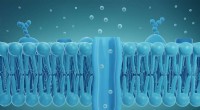
* Small, uncharged molecules: Like water, oxygen, carbon dioxide, and some lipids. These molecules are able to slip through the membrane's phospholipid bilayer.
* Specific molecules with the help of transport proteins: Larger molecules or charged ions can't pass through on their own. They require special protein channels or carrier proteins embedded within the membrane. These proteins act like specific doors that open only for certain molecules.
What cannot pass through:
* Large molecules: Like proteins, carbohydrates, and nucleic acids. They are too big to fit through the membrane's pores.
* Charged molecules: Ions (like sodium, potassium, chloride) have difficulty crossing the hydrophobic interior of the membrane. They need special protein channels to help them pass.
Why is this important?
* Maintaining a stable internal environment: The cell membrane carefully regulates what enters and exits the cell, keeping the internal environment balanced and protecting it from harmful substances.
* Transporting nutrients and waste: The cell membrane allows nutrients to enter and waste products to leave, keeping the cell alive and functioning.
* Cell communication: Some molecules can pass through the membrane to send signals between cells, allowing them to communicate and coordinate activities.
Think of it like this: The cell membrane is like a busy city with a border control system. Only certain people (molecules) are allowed to enter and leave, ensuring the city (cell) stays safe and functional.