This means that a clone shares the exact same DNA sequence as its original source. This genetic identity can be achieved through various methods, such as:
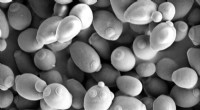
* Asexual reproduction: Some organisms naturally reproduce asexually, producing offspring that are genetically identical to the parent. Examples include bacteria and some plants.
* Artificial cloning: This involves using techniques like nuclear transfer to create a genetically identical copy of an existing organism.
Important Note: Clones are not always physically identical to their original. While they have the same DNA, their appearance and traits can be influenced by environmental factors like nutrition and exposure to disease.