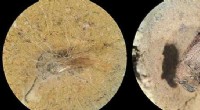
The human body has a complex and multifaceted immune system that works tirelessly to protect us from a vast array of microbes, including bacteria, viruses, fungi, and parasites. This system relies on a variety of mechanisms, both innate and adaptive, to identify and eliminate these invaders.
Innate Immunity:
* Physical barriers: The skin and mucous membranes act as the first line of defense. They create a physical barrier that prevents microbes from entering the body.
* Chemical barriers: The skin and mucous membranes also produce antimicrobial substances like lysozyme, sebum, and stomach acid, which can kill or inhibit microbial growth.
* Phagocytes: Cells like neutrophils and macrophages engulf and destroy invading microbes.
* Natural killer (NK) cells: These cells kill infected or cancerous cells directly.
* Complement system: This system consists of proteins that can directly kill microbes or enhance other immune responses.
* Inflammation: This process recruits immune cells to the site of infection and helps to isolate the microbes.
Adaptive Immunity:
* Lymphocytes: B cells and T cells are the main players in adaptive immunity.
* Antibodies: B cells produce antibodies that specifically target and neutralize microbes.
* Cell-mediated immunity: T cells directly kill infected cells or activate other immune cells.
* Memory cells: These cells provide long-lasting protection against specific microbes that the body has encountered before.
Other Defense Mechanisms:
* Fever: Elevated body temperature can inhibit microbial growth and enhance immune responses.
* Coughing and sneezing: These reflexes help expel microbes from the respiratory tract.
* Gut microbiota: The beneficial bacteria in the gut can compete with harmful microbes for resources and space.
The body's immune system is constantly learning and adapting, becoming more efficient at identifying and eliminating specific threats over time. This adaptive ability is what allows us to develop immunity to diseases like measles and chickenpox.
However, the immune system can sometimes malfunction, leading to autoimmune diseases or allergies. In these cases, the immune system mistakenly attacks the body's own tissues.
It's crucial to maintain a healthy immune system through proper nutrition, exercise, and adequate sleep to ensure that our bodies can effectively defend themselves against the constant barrage of microbial threats.