1. Adaptation to Changing Environments:
* Environmental Shifts: The world is constantly changing. Climate, food availability, disease outbreaks, and other factors can shift dramatically.
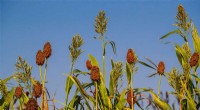
* Survival Advantage: If a population has variation, some individuals will have traits that make them better suited to the new conditions. For example, if a drought occurs, plants with deeper roots may survive better.
* Selection Pressure: These individuals with advantageous traits are more likely to survive, reproduce, and pass those traits on to their offspring. This process, called natural selection, drives adaptation.
2. Resilience to Disease and Stress:
* Disease Resistance: A diverse population is less likely to be wiped out by a single disease. Some individuals may have genetic resistance to the disease, allowing them to survive and reproduce.
* Stress Tolerance: Variation in a population allows for a range of tolerances to environmental stresses like temperature, pollution, or limited resources.
3. Long-Term Evolution:
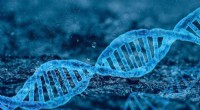
* New Traits: Variations are the raw materials of evolution. Mutations, which are random changes in DNA, introduce new variations.
* Evolutionary Change: Over time, the accumulation of these variations through natural selection leads to new traits, new adaptations, and ultimately, the evolution of new species.
4. Preventing Extinction:
* Extinction Risk: Species with low genetic diversity are more vulnerable to extinction. They may lack the genetic tools to cope with environmental changes or disease outbreaks.
* Conservation Efforts: Maintaining genetic diversity in populations is a key goal of conservation efforts, ensuring the long-term survival of threatened species.
In summary, variation is the lifeblood of evolution. It allows populations to adapt to changing environments, resist disease, and ultimately, ensure the continued survival and diversification of life on Earth.