Evolution is the gradual change in the inherited traits of a population over successive generations. It's not about individuals changing, but rather how the overall makeup of a species shifts over time. Think of it like a slow-motion movie, with each frame representing a generation and the differences accumulating over time.
Here's a breakdown of what evolution involves:
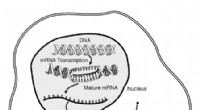
1. Variation: Individuals within a population have slightly different traits (e.g., some giraffes have slightly longer necks than others). These variations arise from mutations, changes in the DNA sequence.
2. Heredity: These traits are passed down from parents to offspring through genes.
3. Natural Selection: In a given environment, some traits are more beneficial than others. Organisms with those advantageous traits are more likely to survive, reproduce, and pass their genes on to the next generation. This is the core principle of natural selection: survival of the fittest.
4. Time: Over many generations, the accumulation of these small changes can lead to significant shifts in the overall appearance, behavior, and even the reproductive capabilities of a species.
Example: Imagine a population of giraffes in an environment where the tallest trees provide the most leaves. Those giraffes with slightly longer necks can reach the leaves, survive better, and reproduce more, passing on their genes for longer necks. Over time, the average neck length of the giraffe population increases.
Key Points to Remember:
* Evolution is not a straight line: It's a branching process where different species evolve from common ancestors.
* Evolution is not goal-oriented: It doesn't aim for a specific outcome. It's simply a response to changing environments and pressures.
* Evolution is not about individual change: It's about how populations change over time.
Evidence for Evolution:
* Fossil record: Fossils show a clear progression of life forms over millions of years.
* Comparative anatomy: Similarities in bone structure and other anatomical features point to shared ancestry.
* DNA evidence: The genetic code of different species shows how closely related they are.
* Direct observation: Scientists have witnessed evolution in action, such as the development of antibiotic resistance in bacteria.
Understanding evolution is crucial for understanding the diversity of life on Earth, its adaptability, and even the potential for future changes.