1. Energy: All living things need a source of energy to fuel their life processes. This energy can come from:
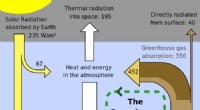
* Sunlight: Plants and some bacteria use sunlight to make their own food through photosynthesis.
* Food: Animals and fungi obtain energy by consuming other organisms.
2. Water: Water is essential for all life functions, including:
* Transporting nutrients and waste products: Water acts as a solvent, allowing molecules to move throughout the organism.
* Maintaining cell shape and structure: Water helps cells maintain their form and prevent them from collapsing.
* Regulating temperature: Water helps organisms regulate their internal temperature.
3. Nutrients: Living organisms need specific chemical elements (nutrients) to build their bodies and carry out life processes. These nutrients include:
* Carbon: The backbone of all organic molecules.
* Hydrogen, Oxygen, Nitrogen, Phosphorus, Sulfur: Crucial components of proteins, nucleic acids, lipids, and carbohydrates.
* Other minerals: Essential for various functions, such as bone formation, nerve signaling, and enzyme activity.
4. Stable Environment: Living organisms need a relatively stable environment to survive. This includes:
* Temperature: Each species has a range of temperatures within which it can thrive.
* pH: The acidity or alkalinity of their surroundings.
* Salinity: The amount of salt in the environment.
* Oxygen: Most organisms require oxygen for cellular respiration.
5. Space: All living organisms need space to grow, move, and interact with their environment.
6. Reproduction: Living organisms need to reproduce to ensure the continuation of their species. This involves passing on their genetic information to the next generation.
These are the fundamental requirements that all living organisms share. However, the specific needs and tolerances of different organisms can vary widely, depending on their environment, species, and lifestyle.