1. Bacteria:
* Prokaryotes: Single-celled organisms lacking a nucleus and other membrane-bound organelles.
* Diverse metabolism: Capable of various metabolic processes, including photosynthesis, fermentation, and respiration.
* Ubiquitous: Found in virtually every environment, including soil, water, air, and even within other organisms.
* Important roles: Play crucial roles in nutrient cycling, decomposition, and biotechnology.
* Examples: E. coli, Lactobacillus, Salmonella, Staphylococcus.
2. Archaea:
* Prokaryotes: Similar to bacteria in size and shape, but with distinct genetic and biochemical characteristics.
* Extremophiles: Thrive in extreme environments like hot springs, salt lakes, and acidic vents.
* Unique metabolism: Utilize various energy sources, including methane, sulfur, and hydrogen.
* Importance: Play roles in methane production, nutrient cycling, and bioremediation.
* Examples: Methanogens, Halophiles, Thermophiles.
3. Fungi:
* Eukaryotes: Have a nucleus and other membrane-bound organelles.
* Heterotrophic: Obtain nutrients by absorbing organic matter from the environment.
* Diverse forms: Include yeasts, molds, and mushrooms.
* Importance: Decomposers, food production (bread, cheese), and antibiotic production.
* Examples: Saccharomyces cerevisiae (yeast), Penicillium (mold), Agaricus bisporus (mushroom).
4. Protozoa:
* Eukaryotes: Single-celled organisms with complex structures and various feeding mechanisms.
* Heterotrophic: Obtain nutrients by consuming other organisms.
* Free-living or parasitic: Some are found in soil and water, while others are parasites of animals or plants.
* Importance: Play roles in food webs and nutrient cycling.
* Examples: Amoeba, Paramecium, Plasmodium.
5. Algae:
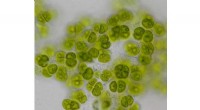
* Eukaryotes: Mostly photosynthetic, meaning they produce their own food using sunlight.
* Diverse forms: Include single-celled, colonial, and multicellular species.
* Importance: Primary producers in aquatic ecosystems, producing oxygen and serving as food sources.
* Examples: Diatoms, Green algae, Brown algae.
6. Viruses:
* Non-living: Considered non-living entities as they lack the characteristics of life, such as metabolism and independent reproduction.
* Obligate parasites: Rely on host cells for replication.
* Diverse structures: Composed of genetic material (DNA or RNA) enclosed in a protein coat.
* Importance: Cause diseases in plants, animals, and bacteria, but also play roles in evolution and biotechnology.
* Examples: HIV, Influenza virus, Bacteriophage.
These six groups represent the major categories of microorganisms, highlighting their diverse characteristics, roles, and importance in various environments and aspects of life.