For eukaryotic cells:
* Cilia and Flagella: These are hair-like projections that extend from the cell surface. Cilia are short and numerous, while flagella are longer and fewer. They beat rhythmically to propel the cell through fluid.
* Pseudopodia: These are temporary projections of the cell membrane that are used for movement and engulfing food particles. They are characteristic of amoebas and some white blood cells.
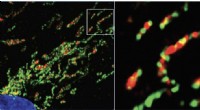
* Microtubules: These are protein filaments that form the cytoskeleton, providing structure and support for the cell. They also play a key role in the movement of cilia and flagella.
For prokaryotic cells:
* Flagella: Similar to eukaryotic flagella, but structurally different. They are long, thin, helical filaments that rotate to propel the cell.
* Pili: These are shorter, hair-like appendages that can help in attachment to surfaces and bacterial conjugation. Some pili can also play a role in movement, though not in the same way as flagella.
Other factors:
* Cell wall: In some cells, the cell wall can provide rigidity and support, allowing the cell to move by gliding or using other external mechanisms.
* Cytoplasm: The fluid within the cell plays a role in facilitating movement by providing a medium for internal components to move.
It's important to note that the specific structures and mechanisms involved in cell movement vary greatly between different cell types.