Digestion:
* Breaking down food molecules (proteins, carbohydrates, fats) into smaller units that can be absorbed by the body.
* Examples: Amylase (breaks down starch), protease (breaks down protein), lipase (breaks down fat).
Energy Production:
* Catalyzing reactions involved in cellular respiration, which produces energy (ATP) from food.
* Examples: ATP synthase, dehydrogenase.
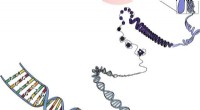
DNA Replication and Repair:
* Replicating DNA, the blueprint of life, and repairing damaged DNA.
* Examples: DNA polymerase, ligase.
Cell Signaling:
* Transmitting signals between cells, allowing them to communicate and coordinate activities.
* Examples: Kinases, phosphatases.
Immune Response:
* Breaking down pathogens (bacteria, viruses) and activating immune cells.
* Examples: Lysozyme, antibodies.
Other Important Roles:
* Building molecules: Enzymes are involved in the synthesis of complex molecules like proteins and carbohydrates.
* Detoxification: Enzymes help break down harmful substances in the body.
* Muscle contraction: Enzymes play a role in the breakdown of ATP, providing energy for muscle contraction.
Essentially, enzymes are crucial for:
* Making life possible: They enable the chemical reactions necessary for all biological processes.
* Maintaining health: They help digest food, produce energy, fight infections, and repair cells.
Without enzymes, life as we know it wouldn't exist!