* Organelles vary in number: The number of each type of organelle can vary depending on the cell type, its stage of development, and its function. For example, a leaf cell will have more chloroplasts than a root cell.
* Organelles can change: The number of organelles can change over time. Cells can divide, creating more organelles, or they can break down and recycle old ones.
Instead of a specific number, we can talk about the types of organelles commonly found in plant cells:
* Cell Wall: A rigid outer layer that provides support and protection.
* Plasma Membrane: A thin, flexible layer that controls what enters and leaves the cell.
* Nucleus: Contains the cell's genetic material (DNA).
* Ribosomes: Sites of protein synthesis.
* Endoplasmic Reticulum (ER): A network of membranes involved in protein and lipid synthesis, as well as detoxification.
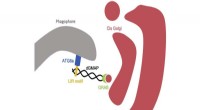
* Golgi Apparatus: Processes and packages proteins for secretion.
* Mitochondria: Powerhouses of the cell, responsible for cellular respiration.
* Chloroplasts: Sites of photosynthesis.
* Vacuole: A large central storage compartment.
* Plasmodesmata: Channels that connect neighboring plant cells.
So, while we can't count the exact number of organelles, we can appreciate the diverse array of structures that work together to make a plant cell function!