Organisms:
* Ecology: How organisms interact with each other and their environment. This includes predator-prey relationships, competition, and symbiosis.
* Behavior: How marine animals behave, communicate, and navigate. This includes studies on mating rituals, social structures, and migration patterns.
* Physiology: How marine organisms function biologically, adapting to the challenges of the marine environment. This involves studying their metabolism, respiration, and sensory systems.
* Genetics: The genetic makeup of marine organisms, including population genetics, evolutionary relationships, and the identification of new species.
* Conservation: Studying endangered species, assessing threats to marine ecosystems, and developing strategies for conservation and management.
Ecosystems:
* Oceanography: The physical and chemical properties of the ocean, including currents, temperature, salinity, and nutrient distribution.
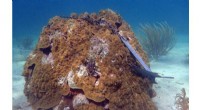
* Coral Reefs: The biology, ecology, and threats to coral reefs, including coral bleaching, pollution, and overfishing.
* Deep Sea: The unique life forms and ecosystems found in the deep ocean, including hydrothermal vents and cold seeps.
* Coastal Zones: The interaction of land and ocean, including estuaries, mangroves, and seagrass beds.
* Climate Change: The impacts of climate change on marine ecosystems, including ocean acidification, sea level rise, and changes in species distribution.
Beyond the Basics:
* Fisheries: Research on the biology, ecology, and management of commercially important fish species.
* Biotechnology: Exploring the potential of marine organisms for medical and industrial applications.
* Pollution: Studying the effects of pollution on marine life and developing methods for mitigation and remediation.
Tools of the Trade:
Marine biologists employ a diverse range of tools and techniques in their research, including:
* Fieldwork: Underwater diving, snorkeling, remote sensing, and sampling.
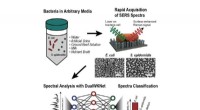
* Laboratory Experiments: Cultivating organisms in controlled environments, analyzing samples, and conducting genetic tests.
* Modeling: Using computer simulations to predict future scenarios and understand complex interactions.
* Data Analysis: Utilizing statistical software to analyze data and draw conclusions.
Overall, marine biology encompasses a wide range of disciplines and research questions. By understanding the intricate workings of the ocean and its inhabitants, marine biologists play a crucial role in protecting and managing this vital resource for future generations.