Structural Similarities:
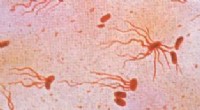
* Size and Shape: Both chloroplasts and mitochondria are similar in size and shape to bacteria.
* Double Membrane: They both possess a double membrane system, with an outer membrane and an inner membrane. This is reminiscent of the cell wall and plasma membrane of bacteria.
* Circular DNA: They both contain their own circular DNA, separate from the cell's nuclear DNA. This DNA is similar in size and structure to bacterial DNA.
* Ribosomes: Both organelles have their own ribosomes, which are smaller and structurally different from the ribosomes found in the eukaryotic cytoplasm. These ribosomes are more similar to those found in bacteria.
Functional Similarities:
* Independent Replication: They can replicate independently of the cell's nuclear division, similar to how bacteria replicate.
* Protein Synthesis: They synthesize some of their own proteins using their own DNA and ribosomes, similar to how bacteria produce their own proteins.
* Metabolic Functions: They play crucial roles in energy production and metabolism, similar to the metabolic activities of bacteria. Chloroplasts perform photosynthesis, converting light energy into chemical energy, while mitochondria are responsible for cellular respiration, converting nutrients into usable energy.
Genetic Evidence:
* Sequence Similarity: The DNA sequences of chloroplasts and mitochondria are closer to those of bacteria than to the nuclear DNA of their host cells.
* Gene Transfer: There is evidence of gene transfer from chloroplasts and mitochondria to the nuclear genome of their host cells, further supporting their bacterial origin.
The Endosymbiotic Theory:
The remarkable similarities between chloroplasts and mitochondria and bacteria strongly support the endosymbiotic theory. This theory suggests that ancient eukaryotic cells engulfed photosynthetic bacteria (leading to chloroplasts) and aerobic bacteria (leading to mitochondria). These bacteria were not digested but instead formed a symbiotic relationship with the host cell, providing energy in exchange for a protected environment. Over time, these bacteria evolved into the organelles we know today, losing some of their independent functions and becoming integrated into the eukaryotic cell.
While the endosymbiotic theory remains the dominant explanation for the origin of chloroplasts and mitochondria, ongoing research continues to unravel the complex history of these fascinating organelles.