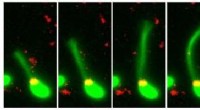
Here's a breakdown of their functions:
* Survival: Endospores can withstand extreme conditions that would kill the vegetative (normal) bacterial cell, such as:
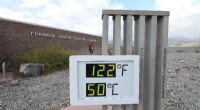
* High temperatures: They can withstand boiling water for hours.
* Desiccation (drying out): They can remain dormant for decades.
* Radiation: They are highly resistant to UV and ionizing radiation.
* Chemicals: They are resistant to many disinfectants and antibiotics.
* Dissemination: Endospores are highly resistant to environmental stress, allowing them to be transported long distances through air, water, or soil, helping the bacteria spread.
* Persistence: They allow the bacteria to survive in unfavorable conditions until more suitable environments are available.
In summary, bacterial endospores are a crucial survival mechanism that allows bacteria to persist in harsh environments and spread widely. This is why they are a significant concern in areas like food safety, healthcare, and environmental microbiology.