1. Stores Genetic Information:
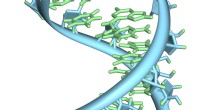
* DNA: The nucleus contains the cell's DNA (deoxyribonucleic acid), which holds the genetic instructions for building and maintaining the organism. This information is organized into chromosomes.
2. Regulates Cellular Activity:
* Transcription: The nucleus directs the production of proteins by transcribing DNA into RNA (ribonucleic acid). This RNA then travels out of the nucleus to guide protein synthesis.
* Gene Expression: The nucleus controls which genes are expressed (turned on or off) at any given time, allowing the cell to adapt to changing conditions.
3. Cell Division:
* Replication: Before cell division, the nucleus replicates the entire DNA content, ensuring each daughter cell receives a complete set of genetic instructions.
4. Structural Support:
* Nucleolus: Within the nucleus is a region called the nucleolus, which is responsible for producing ribosomes, the cellular machines that translate RNA into proteins.
5. Protection of DNA:
* Nuclear Envelope: The nucleus is enclosed by a double membrane called the nuclear envelope, which protects the DNA from damage and regulates the passage of molecules in and out of the nucleus.
In short, the nucleus is like the brain of the cell, dictating what the cell does, how it grows, and even when it dies.