1. Mitochondria: These are the powerhouses of the cell, providing energy for the cell's processes, including the active transport of ions involved in acid secretion.
2. Rough Endoplasmic Reticulum (RER): This organelle is responsible for the synthesis and modification of proteins, including the protein pumps involved in acid secretion.
3. Golgi Apparatus: The Golgi modifies, packages, and sorts proteins produced by the RER, preparing them for secretion or delivery to other organelles within the cell.
4. Secretory Vesicles: These small, membrane-bound sacs store and transport the final products of the cell, including hydrochloric acid (HCl) and intrinsic factor.
5. Tubulovesicular System: This network of interconnected membrane tubules and vesicles is unique to parietal cells. It plays a crucial role in the formation of acid-secreting canaliculi, which are tiny channels that extend from the apical surface of the parietal cell into the lumen of the stomach.
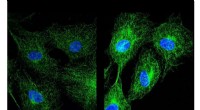
6. Microtubules: These are protein filaments that form a network throughout the cell, providing structural support and facilitating the transport of vesicles and other organelles.
7. Plasma Membrane: The outer boundary of the cell that regulates the passage of substances into and out of the cell. It contains specialized pumps and channels that facilitate the transport of ions necessary for acid secretion.
8. H+/K+ ATPase Pump: This is a crucial protein embedded in the plasma membrane of canaliculi. It actively pumps hydrogen ions (H+) from the cytoplasm into the lumen of the stomach, against their concentration gradient, while simultaneously transporting potassium ions (K+) in the opposite direction. This process is responsible for the generation of the highly acidic environment in the stomach.
9. Carbonic Anhydrase: This enzyme is present within the cytoplasm of parietal cells and plays a vital role in the production of H+ ions. It catalyzes the conversion of carbon dioxide (CO2) and water (H2O) to carbonic acid (H2CO3), which then dissociates into bicarbonate ions (HCO3-) and H+ ions.
These organelles work together in a coordinated manner to ensure efficient secretion of gastric acid, which is essential for the digestion of food and the activation of digestive enzymes.