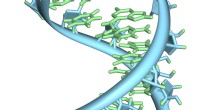
* Linear vs. Circular DNA: Eukaryotic chromosomes are linear, meaning they have two distinct ends. Prokaryotic chromosomes are circular, meaning they form a closed loop with no ends.
* Telomere Function: Telomeres are protective caps at the ends of linear chromosomes. They prevent the ends of DNA from being degraded or fusing with other DNA molecules. These are essential in eukaryotic cells because DNA polymerases cannot fully replicate the ends of linear chromosomes.
* No Ends, No Need: Because prokaryotic chromosomes are circular, they have no ends that need to be protected. There's no "end" for DNA polymerase to run into, so the entire circular chromosome can be replicated without losing genetic information.
Therefore, prokaryotes do not require telomeres to maintain their genomic integrity.