Here's a breakdown of the process:
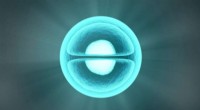
* Stem Cells: It all starts with stem cells, which are unspecialized cells that have the potential to develop into many different cell types.
* Signaling Molecules: Stem cells receive signals from their environment, including proteins and other molecules called growth factors. These signals trigger a series of events within the cell.
* Gene Expression: These signals activate or deactivate specific genes within the stem cell. This controls which proteins are produced and ultimately determines what kind of cell it will become.
* Specialized Functions: As a result of these changes in gene expression, the stem cell acquires the specific structure and function of a particular cell type. For example, a blood stem cell will develop into a red blood cell, a white blood cell, or a platelet, each with a unique role in the circulatory system.
Here's an analogy to understand cell differentiation:
Imagine a chef with a box of ingredients. They can use these ingredients to make many different dishes, like pizza, pasta, or cake. Similarly, a stem cell has the potential to "cook up" many different types of cells, based on the signals it receives.