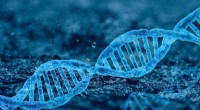
* Storing and protecting DNA: The nucleus houses the cell's genetic material, DNA, which contains the instructions for building and maintaining the entire organism. It keeps the DNA safe and organized.
* Controlling gene expression: The nucleus determines which genes are "turned on" (expressed) and which are "turned off" at any given time. This regulates which proteins are produced, influencing the cell's functions and activities.
* Producing ribosomes: The nucleus produces the building blocks of ribosomes, which are essential for protein synthesis. These ribosomes then move out of the nucleus and into the cytoplasm, where they make proteins.
* Controlling cell division: The nucleus plays a crucial role in cell division, ensuring that each daughter cell receives a complete copy of the genetic material.
In essence, the nucleus is the brain of the cell, directing its activities and ensuring its survival and proper functioning.