Here's a breakdown of the chemical and functional differences between proteins and DNA:
Chemical Differences:
* Monomers:
* Proteins: Made up of amino acids, which are small organic molecules with a central carbon atom linked to an amino group, a carboxyl group, a hydrogen atom, and a variable side chain (R group). There are 20 different amino acids commonly found in proteins.
* DNA: Made up of nucleotides, which are composed of a sugar (deoxyribose), a phosphate group, and one of four nitrogenous bases: adenine (A), guanine (G), cytosine (C), and thymine (T).
* Structure:
* Proteins: Have a linear structure with a sequence of amino acids linked by peptide bonds. This chain folds into a complex three-dimensional structure, which is crucial for its function. This folding is influenced by interactions between the side chains of amino acids.
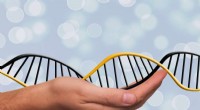
* DNA: Has a double helix structure, with two strands of nucleotides linked by hydrogen bonds between complementary base pairs (A-T and G-C). This structure allows for the storage and transfer of genetic information.
* Function:
* Proteins: Serve a wide variety of functions in the cell and organism, including:
* Enzymes: Catalyze biochemical reactions.
* Structural proteins: Provide support and shape (e.g., collagen, keratin).
* Transport proteins: Move molecules across cell membranes (e.g., hemoglobin).
* Hormones: Act as chemical messengers.
* Antibodies: Fight infections.
* DNA: Primarily functions as the storage and transmission of genetic information. It contains the instructions for building and maintaining an organism.
Functional Differences:
* Information Storage: DNA is the primary repository of genetic information, while proteins carry out the instructions encoded in DNA.
* Dynamic vs. Static: Proteins are more dynamic, with their structure and function influenced by environmental factors. DNA is more static, with its sequence generally remaining constant.
* Diversity of Functions: Proteins have a much greater variety of functions compared to DNA.
* Direct Interaction with the Environment: Proteins directly interact with the environment and carry out biochemical reactions. DNA, on the other hand, is generally sequestered within the nucleus and interacts with other molecules through specific proteins.
In summary, DNA is a blueprint for life, containing the genetic information needed to build and maintain an organism. Proteins are the "workers" that carry out the instructions encoded in DNA, performing a vast range of functions essential for life.