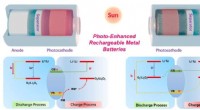
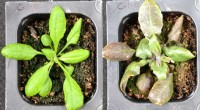
* Photosynthesis: Plants and algae use visible light energy to convert carbon dioxide and water into glucose (sugar) and oxygen. This process is called photosynthesis and forms the basis of the food chain.
* Vision: Many animals rely on visible light to see their surroundings and navigate their environment. This is crucial for finding food, mates, and avoiding predators.
* Regulation of Biological Rhythms: Light plays a vital role in regulating circadian rhythms, the 24-hour biological cycles that influence sleep-wake cycles, hormone production, and other bodily functions.
Other types of radiation:
* Ultraviolet (UV) radiation: While some UV radiation is beneficial for vitamin D production, excessive exposure can damage DNA and lead to skin cancer.
* Infrared (IR) radiation: Organisms emit and absorb IR radiation as a way of regulating their body temperature.
* Radio waves: Some organisms, such as migratory birds, use radio waves for navigation.
In summary: While living organisms are exposed to various forms of radiation, visible light is the most crucial for their survival and well-being.