Both animal and plant cells are eukaryotic cells, meaning they have a membrane-bound nucleus and other organelles. However, they also possess distinct features that reflect their different functions and environments.
Similarities:
* Plasma membrane: Both cells have a selectively permeable membrane that controls the movement of substances in and out of the cell.
* Cytoplasm: Both cells contain a gel-like substance that fills the cell and houses the organelles.
* Ribosomes: Both cells possess ribosomes, which synthesize proteins.
* Nucleus: Both cells have a nucleus that contains the cell's genetic material (DNA).
* Mitochondria: Both cells have mitochondria, the powerhouses of the cell that generate energy (ATP) through cellular respiration.
* Endoplasmic Reticulum (ER): Both cells have ER, a network of membranes involved in protein synthesis and lipid metabolism.
* Golgi Apparatus: Both cells have Golgi apparatus, which modify, sort, and package proteins and lipids.
* Lysosomes: Both cells have lysosomes, which break down waste materials and cellular debris.
Differences:
| Feature | Animal Cell | Plant Cell |
|--------------|----------------------------------------------|-----------------------------------------------------|
| Cell Wall | Absent | Present, made of cellulose, provides structural support |
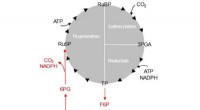
| Chloroplasts | Absent | Present, contain chlorophyll for photosynthesis |
| Vacuoles | Small and numerous | Large, central vacuole for storage and turgor pressure |
| Centrioles | Present, involved in cell division | Usually absent, but present in some lower plant cells |
| Glycogen | Primary energy storage molecule | Starch is the primary energy storage molecule |
| Shape | Round, irregular, or elongated | Rectangular or cuboidal, due to cell wall |
| Movement | Can move freely, often with cilia or flagella | Generally fixed, except for some reproductive cells |
| Nutrition | Heterotrophic, obtains food from external sources | Autotrophic, can produce its own food via photosynthesis |
In Summary:
* Animal cells are characterized by their lack of cell walls, chloroplasts, and large central vacuoles, and their ability to move freely. They obtain nutrients from their environment.
* Plant cells are characterized by the presence of cell walls, chloroplasts, and a large central vacuole. They are typically immobile and can produce their own food through photosynthesis.
These fundamental differences reflect the distinct lifestyles and ecological niches of animals and plants.