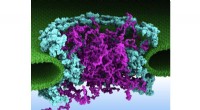
Here's a breakdown:
What they are:
* Granules are small, densely packed particles enclosed by a membrane.
* Storage granules specifically store substances that the cell may need for later use, such as:
* Carbohydrates: Examples include glycogen (in animals) and starch (in plants), which store energy.
* Lipids: Fats and oils store energy and act as insulation.
* Proteins: Can be stored for use in building new structures or as enzymes.
* Pigments: Store color molecules for various purposes, like attracting pollinators.
* Inorganic ions: Examples include iron and calcium, stored for specific cellular functions.
Why they are important:
* Energy storage: Storage granules provide a readily accessible source of energy when the cell's demand exceeds immediate supply.
* Nutrient reserve: They ensure the cell has a buffer of essential molecules, like amino acids and vitamins, needed for growth and repair.
* Cellular regulation: Some granules store substances that can be released to control specific cellular processes.
* Protection: They can sequester toxic substances, protecting the cell from harm.
* Structure and support: Granules can contribute to the overall structure and shape of cells.
Examples of storage granules:
* Glycogen granules: Abundant in liver and muscle cells, storing glucose for energy.
* Lipid droplets: Found in fat cells (adipocytes) and other cells, storing lipids.
* Protein granules: Abundant in seeds and plant cells, storing proteins for germination.
* Pigment granules: Found in skin, hair, and eyes, storing pigments for coloration.
* Iron storage granules: Found in red blood cells and other cells, storing iron for hemoglobin synthesis.
In summary: Storage granules are vital for cell survival and function, providing a reservoir of essential molecules that can be accessed when needed. They contribute to energy storage, nutrient reserve, cellular regulation, and protection, playing a crucial role in the dynamic life of the cell.