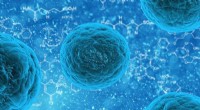
* Stores genetic information: The nucleus contains the cell's DNA, which holds the instructions for building and maintaining the entire organism. Think of it like a blueprint for the cell and the whole body.
* Controls protein synthesis: DNA within the nucleus provides the instructions for making proteins. Proteins are essential for everything from building structures to carrying out chemical reactions.
* Regulates cell growth and division: The nucleus plays a key role in ensuring that the cell divides properly and produces new cells with the correct genetic information.
Here's a breakdown of the nucleus's structure:
* Nuclear envelope: A double membrane that surrounds the nucleus, protecting its contents and regulating what enters and exits.
* Nucleolus: A dense region within the nucleus where ribosomes, the protein-making machines of the cell, are assembled.
* Chromatin: The DNA in the nucleus is organized into long, thin strands called chromatin. This allows the DNA to be accessed and copied when needed.
In essence, the nucleus is vital for the cell's survival and function. Without it, a cell wouldn't be able to perform its basic tasks or even reproduce.