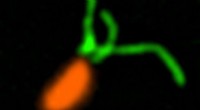
The relationship between humans and *Helicobacter pylori* (H. pylori) is a captivating example of co-evolution, a process where two species influence each other's evolution over time. This dynamic duo has been intertwined for millennia, shaping each other's survival strategies.
Early Colonization and Mutual Benefit:
* H. pylori's arrival: H. pylori likely colonized the human stomach around 58,000 years ago, coinciding with the migration of early humans out of Africa.
* Mutualistic beginnings: Initially, this partnership was likely mutually beneficial. H. pylori, a spiral-shaped bacterium, thrives in the acidic environment of the human stomach. In return, it may have provided benefits like:
* Protection against pathogens: By occupying the stomach niche, it may have prevented colonization by more harmful bacteria.
* Enhanced nutrient absorption: H. pylori's presence may have facilitated the digestion of food and the absorption of certain nutrients.
* Regulation of immune response: H. pylori may have modulated the immune system, preventing overreactions and contributing to a balanced gut microbiome.
Shifting Landscape: From Symbiosis to Pathogen:
* Changing lifestyles: With the evolution of modern civilization, human lifestyles drastically changed. This included:
* Improved sanitation and hygiene: Reduced exposure to H. pylori.
* Dietary changes: Increased consumption of processed foods and antibiotics.
* Increased urbanization: Reduced exposure to diverse microbes.
* Disrupted balance: These changes disrupted the delicate equilibrium between humans and H. pylori, leading to an increase in H. pylori-related diseases like gastritis, peptic ulcers, and stomach cancer.
* Adaptive responses: H. pylori has adapted to these changes by:
* Developing antibiotic resistance: To survive in the face of increased antibiotic use.
* Increasing virulence: Becoming more aggressive in its colonization of the stomach.
* Evolving genetic diversity: Generating different strains with varied levels of virulence and antibiotic resistance.
The Future of the Relationship:
* Ongoing co-evolution: The human immune system is continually evolving, learning to better control H. pylori infection. H. pylori, in turn, continues to adapt and evolve to evade these immune defenses.
* Treatment and prevention: The focus shifts towards managing H. pylori infection through antibiotics and preventative measures like maintaining a healthy diet and lifestyle.
* Understanding the microbiome: Research into the complex interactions within the human microbiome is crucial to understanding how H. pylori impacts human health.
Conclusion:
The co-evolution of humans and H. pylori is a compelling example of how the relationship between species can change over time. This dance of adaptation and survival highlights the complex interplay between microbes and their hosts and emphasizes the importance of understanding this dynamic relationship for human health.