Organelles are specialized structures within cells that perform specific functions, allowing the cell to operate as a coordinated unit. Here's a breakdown of some key organelles and their roles:
1. Nucleus:
* Function: Contains the cell's genetic material (DNA) and directs the synthesis of proteins and other cellular components.
* Key Features: Surrounded by a double membrane with pores for communication, contains nucleolus for ribosome production.
2. Ribosomes:
* Function: Site of protein synthesis.
* Key Features: Small, dense particles found free in the cytoplasm or attached to the endoplasmic reticulum.
3. Endoplasmic Reticulum (ER):
* Function: Network of interconnected membranes involved in protein synthesis, modification, and transport; lipid and steroid synthesis; and detoxification.
* Key Features: Two types: Rough ER (studded with ribosomes) and Smooth ER (lacks ribosomes).
4. Golgi Apparatus:
* Function: Modifies, sorts, and packages proteins and lipids for secretion or delivery to other organelles.
* Key Features: Stack of flattened membrane-bound sacs called cisternae.
5. Mitochondria:
* Function: Powerhouse of the cell, responsible for ATP (energy) production through cellular respiration.
* Key Features: Double membrane structure, contains its own DNA, and has a role in apoptosis.
6. Lysosomes:
* Function: Breakdown and recycling of cellular waste, worn-out organelles, and foreign materials.
* Key Features: Membrane-bound sacs containing digestive enzymes.
7. Peroxisomes:
* Function: Break down fatty acids, produce hydrogen peroxide, and detoxify harmful substances.
* Key Features: Smaller than lysosomes, contain oxidative enzymes.
8. Vacuoles:
* Function: Storage of water, nutrients, and waste products; provide structural support in plant cells.
* Key Features: Large, fluid-filled sacs.
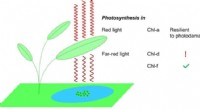
9. Chloroplasts (Plant Cells Only):
* Function: Site of photosynthesis, where light energy is converted into chemical energy (glucose).
* Key Features: Contain chlorophyll, a green pigment that absorbs light energy.
10. Cell Wall (Plant Cells Only):
* Function: Provides structural support and protection, helps maintain cell shape.
* Key Features: Rigid, outer layer made of cellulose.
11. Cytoskeleton:
* Function: Provides structural support, helps maintain cell shape, and facilitates movement of organelles and cell migration.
* Key Features: Network of protein fibers: microtubules, microfilaments, and intermediate filaments.
Note: This is not an exhaustive list. Other organelles, like centrosomes, centrioles, and plastids, also play vital roles in different cell types.