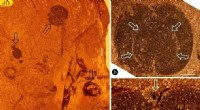
* A membrane-bound nucleus: Cheek cells, like all eukaryotic cells, have a distinct nucleus that contains their genetic material (DNA). The nucleus is separated from the rest of the cell by a membrane.
* Membrane-bound organelles: Cheek cells contain various specialized compartments within their cytoplasm called organelles, each with specific functions. These include mitochondria (for energy production), Golgi apparatus (for packaging and modification of proteins), endoplasmic reticulum (for protein synthesis and lipid metabolism), and lysosomes (for breaking down waste materials).
* Complex cellular structure: Eukaryotic cells, like cheek cells, are much more complex in structure than prokaryotic cells. They have internal membranes, cytoskeletal components for shape and movement, and a variety of other structures that allow for a greater degree of specialization and complexity.
In contrast, prokaryotic cells lack a nucleus and other membrane-bound organelles. They are simpler in structure and organization, and their DNA is located in a region called the nucleoid, which is not enclosed by a membrane. Examples of prokaryotic cells include bacteria and archaea.
Therefore, the presence of a nucleus, membrane-bound organelles, and complex cellular structure clearly places cheek cells within the domain of eukaryotes.