Here's a breakdown:
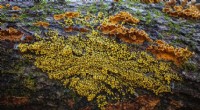
* Saprotrophic fungi: These fungi are decomposers. They break down dead plants and animals, releasing nutrients back into the ecosystem. Examples include mushrooms, molds, and yeasts.
* Parasitic fungi: These fungi live on and obtain nutrients from living organisms, harming their host. Examples include athlete's foot fungus and rust fungi.
* Mutualistic fungi: These fungi have a mutually beneficial relationship with other organisms. Examples include mycorrhizal fungi, which form partnerships with plant roots, and lichen, which is a symbiosis between a fungus and algae.
Therefore, while the term "saprophyte" is sometimes used to describe fungi, it's more accurate to say that fungi are diverse in their nutrition, with many being saprotrophic.