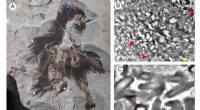
1. Morphological Evidence: This focuses on the physical characteristics of an organism.
* Anatomical features: This includes the shape, size, and arrangement of internal and external structures. For example, the presence of wings, the number of legs, the structure of the skull, etc.
* Cellular structure: The structure of cells, including the presence of organelles like chloroplasts, mitochondria, or specific cell wall structures.
* Developmental features: How an organism develops from a fertilized egg to an adult, and how it changes throughout its life.
2. Molecular Evidence: This focuses on the genetic and biochemical makeup of an organism.
* DNA sequence analysis: Comparing the sequences of DNA, especially in specific genes, can reveal evolutionary relationships.
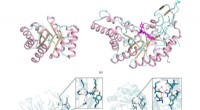
* Protein structure and function: Proteins encoded by genes can also be compared to identify similarities and differences.
* Metabolic pathways: The chemical processes that occur within an organism can reveal shared evolutionary history.
Additional Categories:
* Behavioral evidence: How an organism behaves, including mating rituals, communication patterns, and foraging strategies.
* Ecological evidence: An organism's role in its ecosystem, including its food sources, habitat, and interactions with other species.
It's important to note that all types of evidence are considered when classifying organisms. Scientists often use a combination of morphological, molecular, and other types of evidence to create the most accurate and up-to-date classification systems.