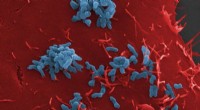
* See cells for the first time. Before the microscope, cells were too small to be observed with the naked eye. The microscope allowed scientists to magnify these tiny structures, revealing their existence and basic morphology.
* Understand the structure of cells. Microscopes allowed scientists to observe the different components of cells, like the nucleus, cytoplasm, and cell membrane. This knowledge laid the foundation for understanding how cells function.
* Develop the cell theory. The observation of cells in various organisms led to the development of the cell theory, one of the most fundamental concepts in biology. This theory states that all living things are composed of cells and that all cells arise from pre-existing cells.
* Advance our understanding of diseases and treatments. Microscopes enabled scientists to observe the effects of diseases on cells and to study the mechanisms of action of different drugs. This knowledge has been instrumental in the development of new treatments and therapies.
In summary, the microscope revolutionized our understanding of cells, enabling us to see them, understand their structure, develop the cell theory, and make significant advancements in medicine and biology.