Here's a breakdown of what makes producers important:
* The base of the food chain: Producers are the foundation of most ecosystems. They are the primary source of energy for all other living organisms, which either consume producers directly or consume other organisms that have consumed producers.
* Producers convert sunlight into chemical energy: Photosynthesis is a vital process that converts the sun's energy into chemical energy, making it accessible to other organisms.
* Producers release oxygen: As a byproduct of photosynthesis, producers release oxygen into the atmosphere, which is essential for the survival of most living organisms.
Examples of producers include:
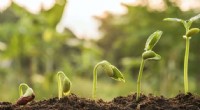
* Plants: The most common type of producer, they include trees, flowers, grasses, and ferns.
* Algae: These single-celled or multicellular organisms are found in water and can photosynthesize.
* Some bacteria: Certain bacteria are capable of photosynthesis and are called photoautotrophs.
In contrast, consumers are organisms that cannot make their own food and must obtain energy by consuming other organisms. These include animals, fungi, and some bacteria.