1. Specificity:
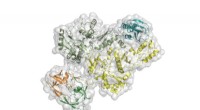
* Each enzyme catalyzes a specific reaction: Enzymes are highly specific, acting only on particular molecules (substrates) and catalyzing only a single type of chemical reaction. This specificity is essential for precise control of metabolic processes.
* Diverse reactions: Metabolic pathways involve a multitude of reactions, from simple bond-breaking to complex rearrangements. Each reaction requires a dedicated enzyme with the appropriate active site and catalytic mechanism.
2. Regulation and Control:
* Fine-tuning of metabolic fluxes: Multiple enzymes allow for intricate regulation of metabolic pathways. By controlling the activity of specific enzymes, cells can adjust the rate of individual reactions and the overall flow of metabolites through the pathway.
* Metabolic flexibility: Different enzymes can be utilized under different conditions (e.g., nutrient availability, stress). This flexibility allows cells to adapt their metabolism to changing environments.
3. Compartmentalization:
* Separation of reactions: Many metabolic pathways are compartmentalized within different cellular organelles. Specific enzymes are localized to these compartments, allowing for efficient and controlled processes.
4. Efficiency and Energy Conservation:
* Lower activation energy: Enzymes significantly lower the activation energy of reactions, making them proceed much faster at physiological temperatures. This allows for rapid and efficient metabolic processes.
* Coupling of reactions: Some enzymes catalyze coupled reactions, where the energy released from one reaction is used to drive another. This efficient energy utilization is crucial for maintaining cellular homeostasis.
5. Avoiding side reactions:
* Enzymes minimize unwanted reactions: By providing highly specific catalytic environments, enzymes reduce the likelihood of undesired side reactions that could disrupt metabolic processes.
In summary, the complexity of metabolic pathways requires a diverse set of enzymes to ensure specificity, regulation, compartmentalization, efficiency, and control. This intricate interplay of enzymes is essential for life's fundamental processes.