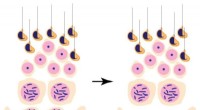
1. Cells: The fundamental unit of life, carrying out basic functions like energy production, protein synthesis, and waste removal.
2. Tissues: Groups of similar cells working together to perform a specific function, like muscle tissue contracting, nervous tissue transmitting signals, or epithelial tissue forming linings.
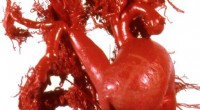
3. Organs: Structures composed of different tissues that work together to perform a complex function, such as the heart pumping blood, the lungs exchanging gases, or the stomach digesting food.
4. Organ Systems: Groups of organs that cooperate to carry out major life processes, like the circulatory system transporting blood, the digestive system breaking down food, or the nervous system coordinating responses.
5. Organism: The complete living being, made up of all the organ systems working together in a coordinated manner.
Example:
Imagine a human being:
* Cells: Individual muscle cells contracting.
* Tissues: Muscle tissue formed by many muscle cells working together.
* Organs: The heart, composed of muscle tissue, valves, and other tissues, pumping blood.
* Organ Systems: The circulatory system, including the heart, blood vessels, and blood, responsible for transporting nutrients and oxygen.
* Organism: The entire human body, a complex system of organ systems working together to sustain life.