Here's a breakdown:
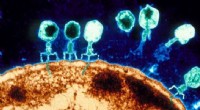
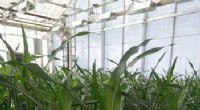
* Biotic factors: These are the living organisms within the ecosystem, including plants, animals, fungi, bacteria, and other microorganisms.
* Abiotic factors: These are the non-living components of the ecosystem, such as sunlight, water, temperature, soil, and air.
Together, biotic and abiotic factors interact in complex ways to create a balanced and functioning ecosystem.
Examples of ecosystems include:
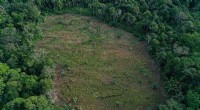
* Forests: Trees, animals, insects, sunlight, soil, and water.
* Oceans: Fish, coral reefs, plankton, sunlight, salinity, and currents.
* Grasslands: Grasses, herbivores, predators, sunlight, rainfall, and soil.
* Deserts: Cacti, reptiles, insects, sunlight, low rainfall, and sand.
Understanding the interconnectedness of biotic and abiotic factors within an ecosystem is crucial for managing and conserving our natural resources.