Invertebrates:
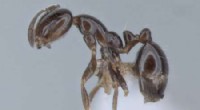
* Insects: Many insects like flies, moths, and beetles lay hundreds or even thousands of eggs.
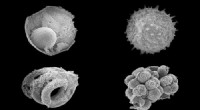
* Sea urchins: These spiny creatures release millions of eggs into the water.
* Barnacles: These crustaceans release millions of larvae into the water.
Fish:
* Cod: Codfish can lay millions of eggs.
* Herring: These fish can release tens of thousands of eggs.
* Salmon: Salmon lay thousands of eggs in their nests.
Plants:
* Dandelions: These prolific weeds can produce thousands of seeds.
* Grasses: Grasses spread rapidly by producing many seeds.
* Trees: Trees can produce a vast number of seeds.
Other Animals:
* Frogs and Toads: Amphibians can lay hundreds or thousands of eggs.
* Snakes: Snakes can lay dozens of eggs in a clutch.
* Rabbits: Rabbits are known for their rapid reproduction, producing multiple litters of young.
Factors influencing high offspring production:
* High mortality rate: Organisms with high mortality rates, especially in their early stages, often produce a large number of offspring to ensure at least some survive.
* Unpredictable environments: Fluctuations in resources and harsh conditions make producing many offspring advantageous.
* Short lifespans: Species with short lifespans tend to have more offspring to quickly replace themselves.
* Lack of parental care: Species that don't invest much in raising their young often produce many offspring to compensate.
It's important to note that not all species with high offspring production rates are successful. The key is to balance the number of offspring produced with the resources available and the survival rate.